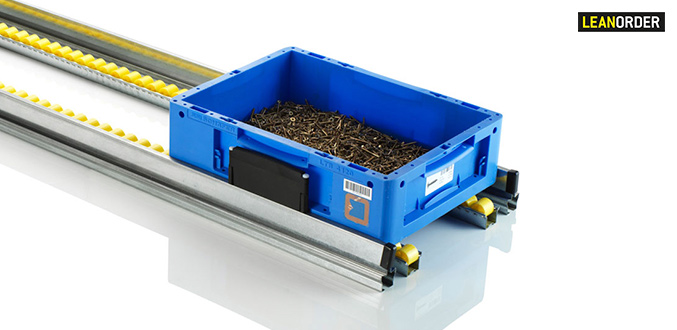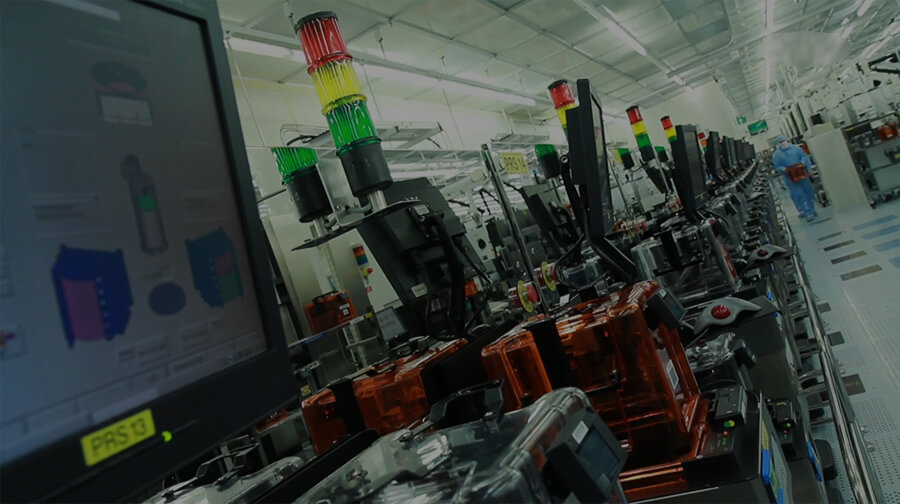
 When things get "eyes and ears": The technologies of ubiquitous computing and particularly RFID-technology enable merging the digital world with all physical objects.
Through this IT-innovation push, all physical objects become "smart things": Products and means of production receive a small, powerful microchip equipped with technologies for wireless communication. The chip can be equipped with memory, sensors (e.g. temperature) and in future also with actuators.
Consequently, things get "eyes and ears": "Smart things" can broadcast and receive information to and from superordinate IT-systems automatically and cross link among other entities. Smart things can automatically be identified (storage location), collect environmental information individually (temperature), process (temperature too high? Storage location correct?) and send (Warning! Temperature too high!). Hence it is possible for all goods to communicate with each other and the IT world without human intervention.
More information on this topic is available in the book "The internet of things" of our co-founder Prof. Dr. Elgar Fleisch. |